



Peres Castle, Romania
It is a palace located in the Carpathian Mountains of Romania and is a Neo Renaissance style palace. It consists of three buildings: Peles Castle, Peleso Castle, and Foisso Hunting Lodge. This palace was built for King Carol I of Romania from 1873 until its completion in 1914. When Carol I first visited the area in 1866, he was attracted by the magnificent mountain scenery and decided to build a palace here. Castles are not only symbols of the Romanian royal family, but also important cultural and historical heritage of the country.

St. Peter and Paul's Church
It is a church with a long history, built around 1120 and adopting the Romanesque style. Not only religious buildings, but also the first part of the three defense works. In 1320, the church underwent an early Gothic expansion. In the 15th century, in order to strengthen defense, a defensive wall was built around the cemetery surrounding the church. In 1987, murals dating back to around 1320 were discovered and restored, depicting Saint Christopher. This church witnesses the evolution of architectural styles and historical changes in medieval Europe, and is an important heritage for studying medieval architecture and art.

Latvian Sun ā kstes White Church
A landmark building located in J ē kabpils Autonomous City, Latvia. This Lutheran church was first built in the early 19th century, specifically from 1826 to 1829, replacing the old wooden church built in 1570. Built in neoclassical style, featuring a three story tower and prominent mountain walls. Not only is it the center of religious activities, but it is also a place to commemorate the outstanding figure Vecai Stenders of Latvia in the 18th century. There is a Stenders family cemetery nearby, and the surrounding environment of the church is beautiful, making it one of Latvia's important cultural and historical heritages.

Pajaislio Monastery, Lithuania
The famous Baroque architecture in Lithuania is located on the Pazaislio hill near the city of Kaunas, near a bend in the Nemunas River. Built by monks of the Italian Carmelite Order in the mid-17th century, the construction project lasted from 1662 to 1712. The church of the monastery is one of the Baroque churches with the most decorated marble in the former Grand Duchy of Lithuania, with magnificent interior decoration and rich artistic value. Not only is it a masterpiece of religious architecture, but it is also one of Lithuania's most important cultural and historical heritages. Witnessing the religious and cultural development of Lithuania, it is an important place for studying Baroque architecture and art

Abandoned Tramway Company in Baltimore, USA
A major public transportation operator in the history of Baltimore, Maryland, United States. Established in the late 19th century, responsible for operating the tram system within the city, providing transportation services for Baltimore residents and tourists. At the beginning of the 20th century, it reached its peak with a large fleet and a wide network of routes. However, with the popularity of cars and other modes of transportation, trams gradually lost their dominant position. By the mid-20th century, it was gradually replaced by buses and subways, and finally ceased operation in 1963. Although the tram service is no longer available, its historical legacy can still be found in some parts of Baltimore city

Estonia Sare Windmill
Saare Windmill is a historic and uniquely styled windmill located on Saare Island in Estonia, and is one of the important landmarks in the region. Built in the 19th century, it is one of the representatives of traditional windmills in Estonia. It is built from wood and stone, with a typical windmill shape and structure. Windmill blades rotate with the wind to grind grains or provide mechanical power. It is also a cultural and historical heritage of the region. Witnessing the development and lifestyle of agricultural society in the past, it is also an important heritage of traditional technology and craftsmanship for people.

Vicine Castle, France
Ch â teaudu Vexinfran ç ais is a historic castle located in the Vincennes region of France. It is a masterpiece of French architectural art, showcasing unique architectural styles and exquisite craftsmanship. Its architectural features include magnificent towers, elegant arches, and gorgeous decorations. As a historical heritage site, the Ch â teau de Vilaine in France attracts numerous tourists. People can feel the past glory and honor here, and learn about the history and culture of this region. The open area of the castle also frequently hosts exhibitions, concerts, and other cultural events, providing visitors with a rich experience.

Korean Ethnic Culture Jingfu Palace Zhai Main Hall Carved Table

Popular Models

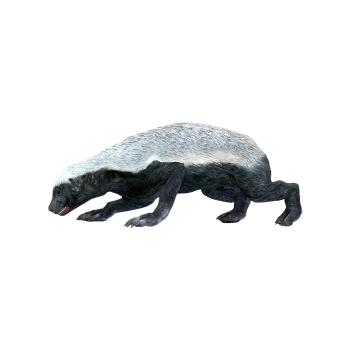
Honey Badger (3D animated model)
192 View
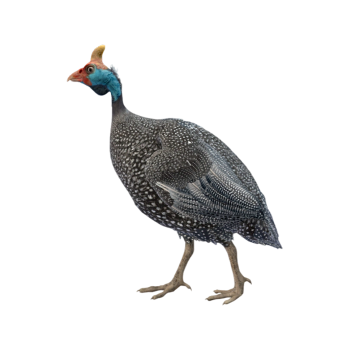
Guinea fowl (3D animated model)
163 View
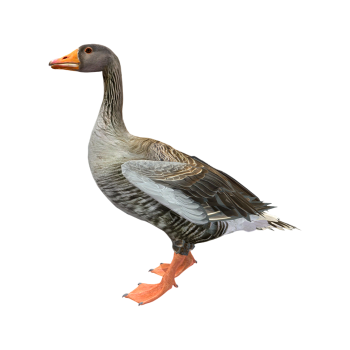
Wild Goose (3D animated model)
185 View
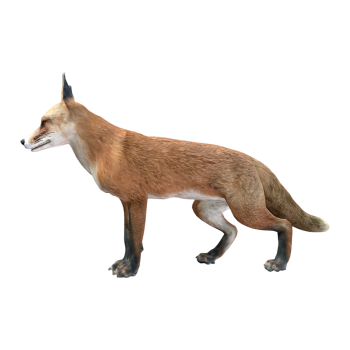
Red Fox (3D animated model)
153 View
Random Model

Chilean folded landforms
994 View

3D model of military luggage bag
1086 View
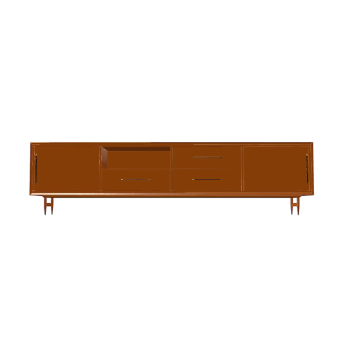
TV cabinet
511 View

Delivery Backpack
651 View


Adidas Runfalcon sneaker
663 View

gem golden turtle specimen
601 View


pectoralis major medical model
644 View